
Introduction
Understanding the different types of CBD is essential for making an informed choice. The market offers a confusing array of products. This guide explains the three primary types of CBD, their unique properties, and how to select the right one for your needs. This information helps you navigate your options with confidence.
The three main types of CBD are full-spectrum, broad-spectrum, and CBD isolate. Each type has a distinct chemical profile. This profile determines how the product interacts with your body. Knowing the difference ensures you get the results you expect.
Full-Spectrum CBD
Full-spectrum CBD contains all the naturally occurring compounds from the cannabis plant. This includes CBD, other cannabinoids, terpenes, and flavonoids. It also contains trace amounts of THC, the psychoactive compound. The legal limit for THC in hemp-derived products is 0.3 percent or less. This amount is not enough to produce a “high” for most users.
The combination of these compounds creates what scientists call the “entourage effect.” This theory suggests that the compounds work better together than they do alone. The synergistic interaction may enhance the overall benefits of the product. Full-spectrum extracts offer the most complete representation of the plant’s natural chemistry.
Broad-Spectrum CBD
Broad-spectrum CBD offers a middle ground between full-spectrum and isolate. It contains multiple cannabinoids and terpenes found in the plant. The key difference is the removal of all THC. The extraction process meticulously filters out any detectable traces of THC.
This type is ideal for individuals who want to experience the entourage effect without any THC. It is a popular choice for parents giving CBD to children or for people who undergo regular drug testing. You get the potential benefits of multiple plant compounds with zero risk of psychoactive effects.
CBD Isolate
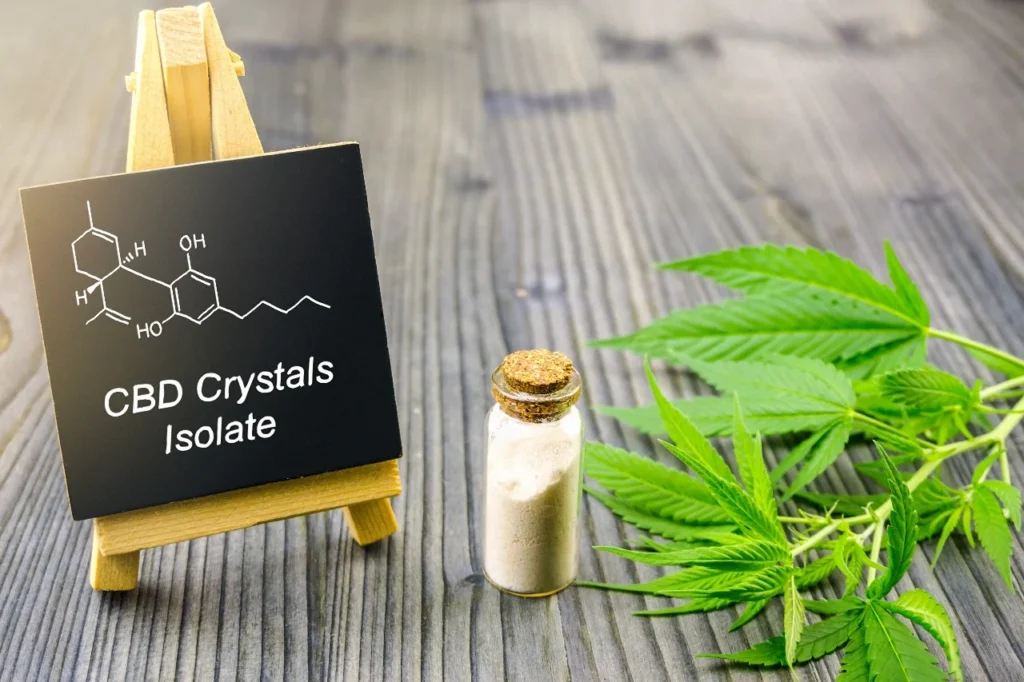
CBD isolate is the purest form of cannabidiol available. The extraction process removes all other plant compounds, including other cannabinoids, terpenes, and oils. The final product is typically 99 percent pure CBD. It comes as a white, crystalline powder or a solid slab.
This type contains no THC. It is odorless and tasteless, making it easy to incorporate into foods and drinks. Isolate is the best option for those who need high doses of CBD or who want to avoid all other cannabis compounds. It provides the effects of CBD alone.
Choosing the Right Type for You
Your personal needs and preferences determine the best CBD type. Consider your reasons for using CBD. Think about your sensitivity to other compounds. Your tolerance for THC is a major factor.
If you want the full potential of the entourage effect and do not mind trace THC, consider full-spectrum. If you want the entourage effect without any THC, broad-spectrum is your best choice. If you require pure CBD without other compounds, select an isolate.
Always check third-party lab reports. These certificates of analysis verify the product’s contents and purity. They confirm the levels of CBD and THC. Reputable companies provide these reports for customer transparency.
Proper packaging is crucial for preserving CBD product quality. Many companies, like Muse Custom Boxes, offer specialized CBD boxes in the USA. These boxes protect products from light, air, and moisture. This protection maintains potency and extends shelf life.
Understanding full-spectrum, broad-spectrum, and CBD isolate empowers your purchasing decisions. Each type serves a different purpose and user. Your choice depends on your desired effects and personal comfort with other plant compounds. Start with a clear goal, consult lab results, and choose a product from a trusted source. Proper storage in quality packaging ensures your CBD remains effective. Share this guide to help others understand their options.