Introduction
Packaging protects products. It ensures they reach you safely. It also communicates brand values. Understanding packaging types helps you choose the right solution for your product.
This guide explains the four primary packaging categories. We will define each type and explore its specific function. This knowledge is essential for any business owner.
Primary Packaging
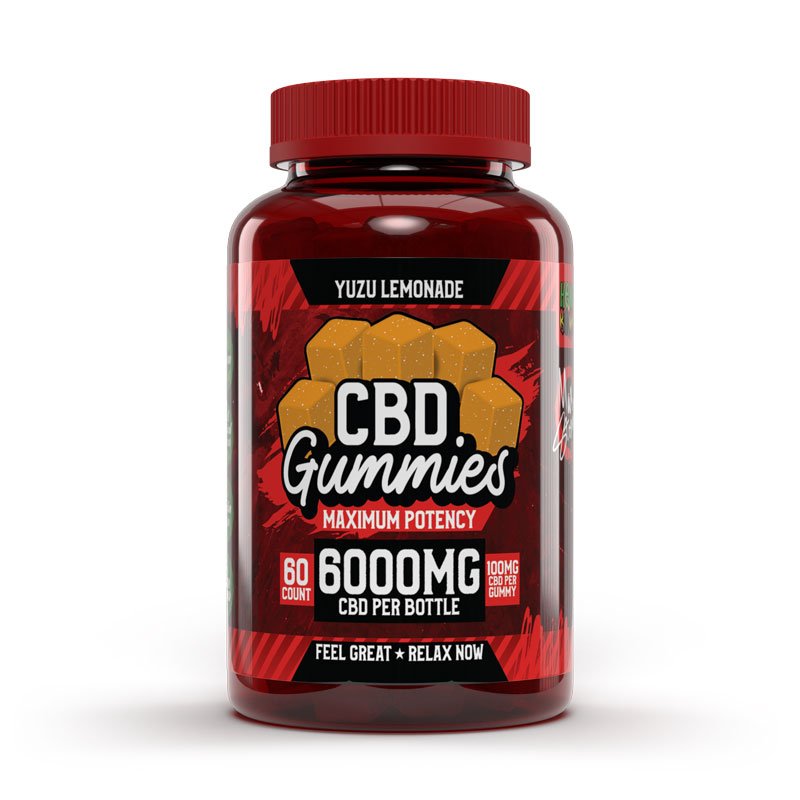
Primary packaging has direct contact with your product. It is the first layer of containment. Think of a soda can or a perfume bottle. This packaging type preserves the product’s integrity. It prevents contamination and spoilage. For food items, it maintains freshness. For electronics, it provides static protection.
The design of primary packaging is critical. It is the package your customer interacts with directly. It heavily influences the unboxing experience. A well-designed primary package builds brand recognition. Many companies, including Muse Custom Boxes, focus on creating distinctive primary packaging that stands out on shelves.
Secondary Packaging
Secondary packaging groups primary packages together. A cardboard box holding 12 soda cans is secondary packaging. Its main purpose is for logistics and display. It makes bulk handling easier for retailers. This packaging also provides additional protection during shipping.
In retail environments, secondary packaging often serves as a shelf-ready display. It can be designed to attract attention in a store aisle. This type of packaging is typically removed by the consumer after purchase. It is a key component in the supply chain, ensuring products are transported efficiently from warehouse to store.
Tertiary Packaging
Tertiary packaging is used for bulk handling and warehouse storage. It protects secondary and primary packages during transit. A common example is a stretch-wrapped pallet of cardboard boxes. This packaging is designed for durability and weather resistance. It is rarely seen by the end consumer.
The primary function of tertiary packaging is to secure large shipments. It prevents damage from rough handling and environmental factors. This packaging is essential for international shipping and large-scale distribution. It ensures your products arrive at their final destination in perfect condition.
Auxiliary Packaging
Auxiliary packaging includes all the supplementary materials inside a package. These components add protection and enhance the customer experience. Common examples are bubble wrap, foam inserts, and tissue paper. Instruction manuals and promotional inserts also fall into this category.
These elements play a vital role in product safety. They cushion the primary package within the secondary box. They prevent movement and shock damage. For luxury brands, high-quality auxiliary materials like velvet pouches or custom crinkle cut paper elevate the perceived value of the product. Thoughtful auxiliary packaging shows customers you care about their purchase.
Choosing the Right Packaging
Your product needs determine the best packaging type. Consider its fragility, size, and weight. Perishable goods require airtight primary packaging. Heavy items need strong secondary and tertiary support. The entire packaging system must work together.
Brand image is another crucial factor. Your packaging is a physical representation of your brand. A cohesive design across all layers creates a memorable impression. For specialized products like CBD boxes in USA, compliance with regulations is non-negotiable. Packaging must meet specific labeling and child-resistant requirements.
Visual elements like infographics can help illustrate the differences between these packaging layers. A simple diagram showing a bottle inside a box on a pallet would be effective.
For more information on packaging standards, you can refer to the Sustainable Packaging Coalition. Internal links to specific product pages, like custom mailer boxes, can provide further reading.
Understanding these four packaging types allows you to make informed decisions. The right packaging protects your product. It enhances your brand and satisfies your customers. Assess your needs for each layer. A strategic approach to packaging will benefit your business.
We encourage you to share this article with others who might find it useful. If you have specific questions about your packaging, please leave a comment below. The team at Muse Custom Boxes is ready to assist with your project.