Introduction
Have you ever lit a beautiful candle only to find a small, uneven pool of wax after a few hours? This common problem leads to wasted wax and a shorter candle life. The solution is a simple guideline known as the 84 rule for candles. Understanding this rule will transform how you burn your candles, ensuring you get the most value and enjoyment from each one.
What is the 84 Rule for Candles?
The 84 rule is a best practice for candle burning. It states you should allow your candle to burn for one hour for every inch of its diameter. A standard three-wick candle often has a diameter of about seven inches. Following the rule, you would burn this candle for at least seven hours the first time you light it. This initial, long burn is critical. It prevents a problem called tunneling.
Why the First Burn is Crucial
When you first light a candle, the wax around the wick melts, forming a liquid pool. The 84 rule ensures this molten pool reaches the very edge of the container. If you extinguish the candle too soon, the wax hardens with a deep channel down the center. On subsequent burns, the flame will struggle to melt the hardened wax on the sides. The tunnel will deepen with each short burn, trapping usable wax and shortening the candle’s total lifespan. A proper first burn creates an even memory ring. This ring sets the pattern for all future burns, allowing the wax to melt evenly across the full surface every time.
Practical Application of the Rule
To use the 84 rule, you need to know your candle’s diameter. Measure across the top of the candle jar. If your candle is four inches wide, plan for a four-hour burn. For a large eight-inch diameter candle, you need an eight-hour burn. This requires planning. Only light the candle when you have enough time to let it burn fully. Never leave a burning candle unattended. Always place it on a stable, heat-resistant surface away from drafts, children, and pets. Trimming the wick to one-quarter inch before each light is also essential for a clean, steady burn.
Benefits of Following the Candle 84 Rule
Adhering to this simple rule offers multiple advantages. You maximize the candle’s lifespan. No wax is left unused on the sides of the jar. This provides you with more hours of fragrance and light, giving you better value for your money. The candle burns cleaner, producing less soot and smoke. An even wax pool also ensures the fragrance throw remains consistent and strong throughout the candle’s life. Your candle will maintain its aesthetic appeal, burning evenly and beautifully down to the bottom.
The Role of Quality Candle Boxes
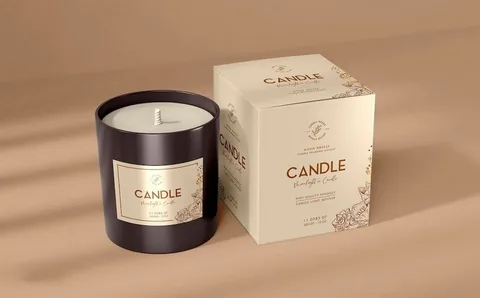
For candle makers, the 84 rule is a key piece of consumer education. It helps customers enjoy the product as intended. Proper packaging also plays a vital role in delivering a quality product. Sturdy candle boxes in USA protect the fragile glass jars during shipping and storage. They prevent breakage and preserve the candle’s scent. For businesses like Mist Custom Boxes, designing durable and attractive packaging is part of ensuring the candle reaches the consumer in perfect condition, ready for its first, and most important, burn.
Common Candle Burning Mistakes to Avoid
Many people shorten their candle’s life by making simple errors. Burning a candle for only thirty minutes at a time is the most common mistake. This almost guarantees tunneling will occur. Placing a candle in a drafty area causes uneven burning and excessive smoking. Letting the wick become too long creates a large, flickering flame that burns the wax too quickly and generates soot. Extinguishing a candle by blowing it out can spread wax droplets and send smoke into the air. Instead, use a candle snuffer or carefully dip the wick into the wax pool and then straighten it.
By understanding and applying the 84 rule, you ensure every candle you light burns perfectly. You get the maximum fragrance, the longest burn time, and a clean, safe experience. Remember to measure your candle, plan for a long first burn, and always practice candle safety. Share this tip with other candle lovers to help them avoid the frustration of tunneled candles. What has your experience been with candle tunneling? Let us know in the comments.